
The Rise of Hybrid Payments: Bridging the Gap Between Fiat and Crypto
by Hugh Williams on 2026-02-13 in News
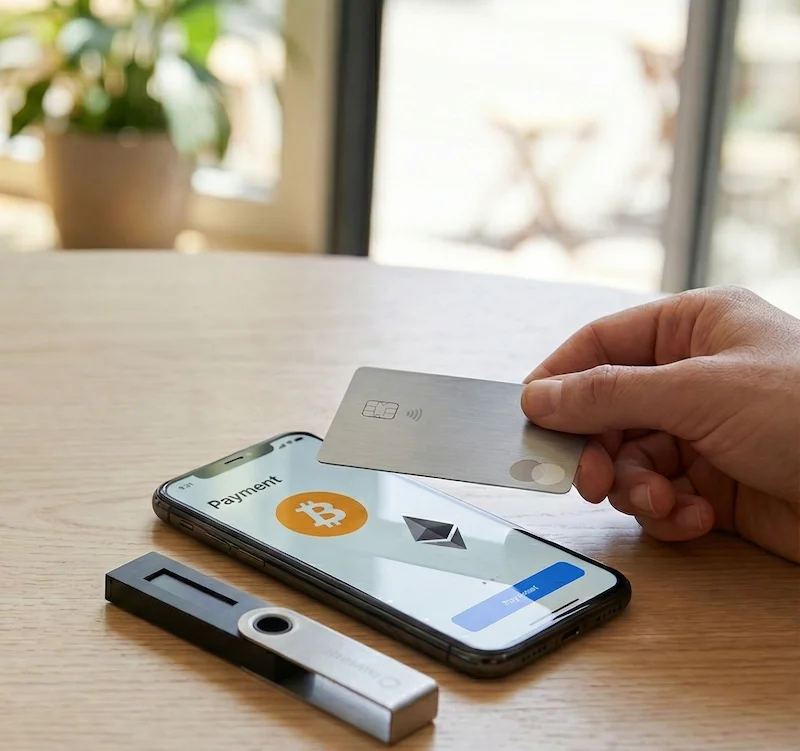
The financial landscape is undergoing a massive shift. For decades, businesses relied solely on the traditional banking system. Cash, credit cards, and bank transfers were the only options on the table. Today, the rise of digital assets has created a new parallel economy.
However, the future is not about replacing one with the other. It is about convergence. The most successful digital platforms in 2026 are those adopting a "hybrid payment model." This approach integrates the stability and familiarity of fiat currency with the speed and efficiency of cryptocurrency.
Solving the Cross-Border Friction
For any business operating globally, cross-border payments are a significant pain point. Traditional banking networks like SWIFT are often slow, expensive, and subject to arbitrary freezes. A simple transfer can take three to five business days to clear, which kills user engagement in high-frequency industries.
On the other hand, cryptocurrency offers settlement in minutes, regardless of borders. The challenge for businesses has been the complexity of integration. Users still want the option to use their Visa or Mastercard because it feels safe and familiar. But a growing segment of tech-savvy consumers demands the privacy and low fees associated with digital assets.
Forward-thinking platforms like WinCraft successfully bridge this gap by offering a seamless wallet architecture where users can deposit via traditional credit cards or modern assets like Ethereum and Bitcoin. By not forcing the user to choose one side, these companies maximize their addressable market. They cater to the traditionalist and the crypto-native user simultaneously.
Speed as a Competitive Advantage
In the digital economy, speed is the ultimate currency. Whether it is e-commerce, fintech, or digital entertainment, customers expect instant gratification. If a user wins a prize or sells an asset, they want access to their funds immediately.
Legacy banking systems struggle to keep up with this demand due to batch processing and weekend closures. This is where the hybrid model shines. By integrating blockchain technology alongside traditional payment gateways, businesses can offer near-instant withdrawals.
Operational efficiency is key here. For example, WinCraft utilizes crypto rails to offer withdrawal limits up to €45,000, significantly outpacing traditional banking caps and processing times. This level of liquidity and speed turns a standard transaction into a premium user experience. It builds trust. When users know they can access their funds instantly, they are more likely to return.
Compliance in a Hybrid World
A common misconception is that accepting cryptocurrency means bypassing regulation. In reality, the hybrid model requires a robust approach to compliance.
Serious players in this space understand that Anti-Money Laundering (AML) and Know Your Customer (KYC) protocols are non-negotiable. The goal is to offer the freedom of crypto without the regulatory risk.
Modern fintech solutions now automate these checks. They can verify a user's identity and source of funds in real-time, regardless of whether the deposit comes from a bank account in London or a crypto wallet in Singapore. This creates a secure environment where the speed of crypto meets the safety standards of traditional finance.
Should We Integrate the Hybrid Model?
The divide between the fiat world and the crypto world is closing. For digital businesses, the question is no longer "should we accept crypto?" but rather "how do we integrate it smoothly?"
The hybrid payment model is the answer. It offers the best of both worlds: the global reach and speed of blockchain, combined with the trust and familiarity of traditional banking. As we move further into the decade, this flexibility will not just be a feature. It will be a requirement for survival in the global digital economy.